
Fly Line Buyers Guide Other Fly Fishing Tackle Buyers Guides: - Fly Rod Buyers Guide - Fly Reel Buyers Guide
Fly Lines The job of the fly line is to carry the leader and fly and present them to the fish in the appropriate manner. The main thing you have to decide on for a fly line are its weight (AFTM#), intended use (floating, neutral, sinking, etc) and it's profile (Double Taper, Weight Forward, etc). Other things to bear in mind are the materials used, flexibility, finish, core stretch, memory, colour and length. These tend to be a factor when you get to the more expensive lines. 1. Fly Line Weight (AFTM#) The weight of a fly line is what loads the fly rod and carries the fly line over any distance. Fly line weights are rated as an AFTM number (Association of Fishing Tackle Manufacturers) that helps to match the fly rod with the correct fly line. In essence, each AFTM number is a measure of the weight of the first 30 ft of the fly line (see the table below). The key thing to remember is that the fly line and fly rod rating should match so that the fly rod can cast the fly line properly. The main exception to the AFTM matching rule is for experienced anglers who may arialise a long length of Double Taper line. This would tend to overload the fly rod so they may choose to use a lighter fly line than would normally be recommended. | AFTM # | Weight (Grains) | Tolerance | | 4 | 120 | 114-126 | | 5 | 140 | 134-146 | | 6 | 160 | 152-168 | | 7 | 185 | 177-193 | | 8 | 210 | 202-218 | | 9 | 240 | 230-250 | | 10 | 280 | 270-290 | | 11 | 330 | 318-342 | | 12 | 380 | 368-392 |
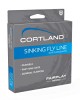
To convert to metric or ounces: 1 Grain = 0.065 gm = 0.0023 oz The most commonly used fly line weights in the UK are AFTM #7 or AFTM #8 as these are good all-round lines for stillwater fishing. Lighter fly lines such as AFTM #6 or less are mostly used for river fishing or where the angler mainly fishes nymphs or dry flies. Heavier fly lines such as AFTM #9 or higher are mostly used for casting large flies and lures and are sometimes used for salmon fishing. 2. Fly Line Use Fly lines tend to come in three main flavours; Floating, Neutral Density and Sinking. Floating Fly Lines Are designed to float on top of the water and are best when fishing with dry flies and nymphs. Fishing with a floating fly line is often the most satisfying and every angler should have at least one floating fly line. Neutral Density (or Intermediate) Fly Lines A Neutral Density fly line is specially made to have about the same density as water. This allows it to stay suspended below the surface of the water but stops it from sinking down deep. Neutral density fly lines are usefull for fishing flies near the top of the water but without the surface disturbance that a floating fly line might cause. Neutral density fly lines are normally used by experienced anglers with specific objectives in mind. Sinking Fly Lines A sinking fly line does just what you'd expect. It sinks down in the water to carry the leader and fly to fish that are swimming around deep down in the water. Using a sinking line is often the most effective way of fishing because trout spend much of their time deep in the water. The sinking rate of fly lines varies according to the chart below and most serious fly fishers will have one or two sinking fly lines in their bag. | Fly Line Type | Description | Sink Rate (inches/sec) | | 1 | Intermediate | 1.25 - 1.75 | | 2 | Fast | 2.50 - 3.0 | | 3 | Extra Fast | 3.50 - 4.0 | | 4 | Super Sinker | 4.25 - 5.0 | | 5 | Super Fast | 5.25 - 6.0 | | 6 | Extra Super Sinker | 6.25 - 7.0 |
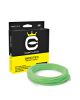
3. Fly Line Profile The profile, or shape, of a fly lines determines how it casts and how it lands. Most fly line profiles are a variation on a Double Taper (DT), Weight Forward (WF) or Shooting Head (SH). Double Taper Fly Lines A Double Taper fly line is thickest at it's middle and gets thinner towards it's two ends. This kind of fly line provides a nice delicate presentation of the fly but is not great for casting long distances. The advantage of a double taper fly line is that one end gets damaged you can simply reverse the fly line and use the other end. Double Taper lines are best for nymph or dry fly fishing where you care more about presentation than distance. Weight Forward Fly Lines A Weight Forward Fly Line has a similar shape to the first 10 yds of a Double Taper fly line but then tapers down to a thin running line. The advantage of this profile is that once enough fly line has been arialised to work the fly rod, the remaining line is thin with little friction and will enable the fly line to 'shoot' forward. Weight Forward lines tend not to present the fly as delicately as a Double Taper but will cast farther. In our experience most stillwater anglers prefer the Weight Forward profile. Shooting Head Fly Lines Shooting Heads are like the extreme of a weight forward fly line using a very thin running line (often just braided dacron or flat monofilament). They cast long distances but have poor presentation and little accuracy. Because of this they only tend to be used for fishing below the surface on large stillwaters. Other Fly Line Profiles Other profiles (rocket taper, wind taper,clear creek taper, etc) tend to be a variation on the weight forward taper with profiles optimised for distance, presentation, accuracy or casting into the wind. 4. Other Fly Line OptionsFly Line Colour A bright colour makes it easier to see floating fly line and detect gentle takes. A transparent intermediate fly line is less visible to the fish. A dark or camouflage colour makes a sinking line less visible to the fish and won't scare them so much. Tip: Keep your different fly lines a different colour so it's easy to remember which line is which. Fly Line Materials Almost all fly lines today have high tech polymer coatings over synthetic cores. The core provides the strength, the coating defines the lines characteristics. Fly Line Flexibility A fly line that is more supple (flexible) will provide a nice gentle presentation. A slightly stiffer line is better for long distance casting. A good example of manufacturers tuning this is the Cortland 444 series (a classic fly line with good presentation due to it's flexibility) and the Cortland 444 SL series (a slightly stiffer line optimised to cast longer distances). Fly Line Finish The ideal fly line finish would be a super smooth, slipper finish with little friction. More expensive fly lines do their best to get close to this objective. Fly Line Core Stretch The core of a fly line provides its strength, and different core materials will have slightly different characteristics. Most fly lines today have a limited amount of stretch (usefull to absorb shocks) but won't stretch enough to prevent sharp takes or 'knocks' from hooking. Fly Line memory Fly line memory is term used to describe a lines likelihood to 'remember' the coils it is stored in on the reel. A good line will have far less memory than a cheaper one and will stay straight on the water. This is Particularly important when fishing with a slow retrieve on the surface. Fly Line Length Most full fly lines will be 30 yds in length. Some beginer fly lines are slightly shorter and some specialist long distance fly lines will be a bit longer. |